12.12.2025
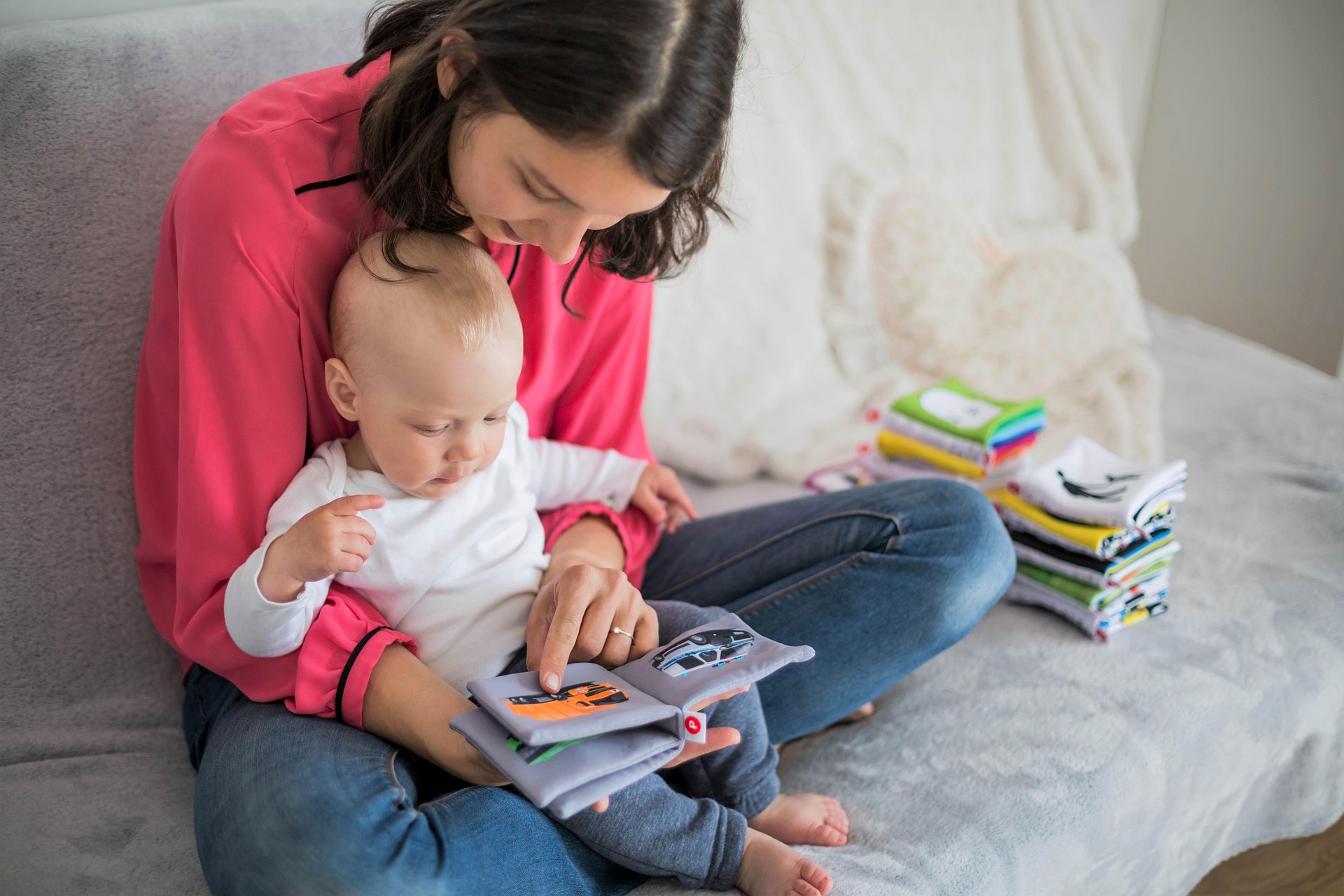
Early language learning begins at birth, and the first years of life are critical for brain development. Warm, responsive interactions such as talking, reading, singing, and shared play help shape the neural foundations for communication, literacy and later learning. Even when the child is too young to appear to understand it is important to interact verbally and positively with the infant as if they do understand as it helps their brains to develop.
Preparing our children for language learning written by Dr Seungyeon Kim and Dr Felicia Low is an evidence brief that looks at how strong early language experiences support not only communication but also executive functioning, social and emotional development, resilience and wellbeing.
In Aotearoa New Zealand, one in five five-year-olds struggle with oral language skills, with challenges heightened by COVID-19 disruptions. Boys and children in lower socio-economic communities are more likely to experience difficulties.
This evidence brief outlines how parents, caregivers, whānau and educators can create language-rich environments through responsive “serve and return” interactions and everyday activities such as conversation, shared reading, storytelling, singing and nursery rhymes.
It also highlights the benefits of bilingualism, which can enhance cognitive flexibility, cultural identity and self-esteem.
Key points
- Early language experiences strongly influence later learning and development
- Caregivers and educators play a crucial role in creating language-rich environments
- Warm, responsive “serve and return” interactions support language acquisition
- Talking, reading, storytelling, singing and nursery rhymes are effective everyday activities
- Bilingual engagement can boost cognitive skills, identity and wellbeing
- Community- and population-level support is needed to ensure all children benefit from language-rich environments.
This evidence brief was produced through the Chloe Wright Policy Unit at Koi Tū which translates evidence across health, education, welfare and justice into actionable policy that supports all tamariki and whānau to thrive. The unit was established to honour the late Chloe Wright with support through the Wright Family Foundation.